Basketball is now one of the most popular sports in the world, played on playgrounds, in schools, and on the global stage. But when Dr. James Naismith invented the game in 1891, he never imagined the professional leagues, Olympic competitions, or worldwide popularity that would follow. His vision for basketball was far simpler and deeply rooted in his faith. For Naismith, basketball was not just about exercise — it was about shaping character, promoting fellowship, and instilling moral values through sport.
The Invention of Basketball
In December 1891, Naismith was a young physical education instructor at the International YMCA Training School in Springfield, Massachusetts. The school’s director, Dr. Luther Gulick, asked him to develop a new indoor game that would keep students active during the cold winter months. Naismith’s challenge was to design something that was vigorous enough to engage restless students but not so rough that it would lead to injuries in a confined gym space.
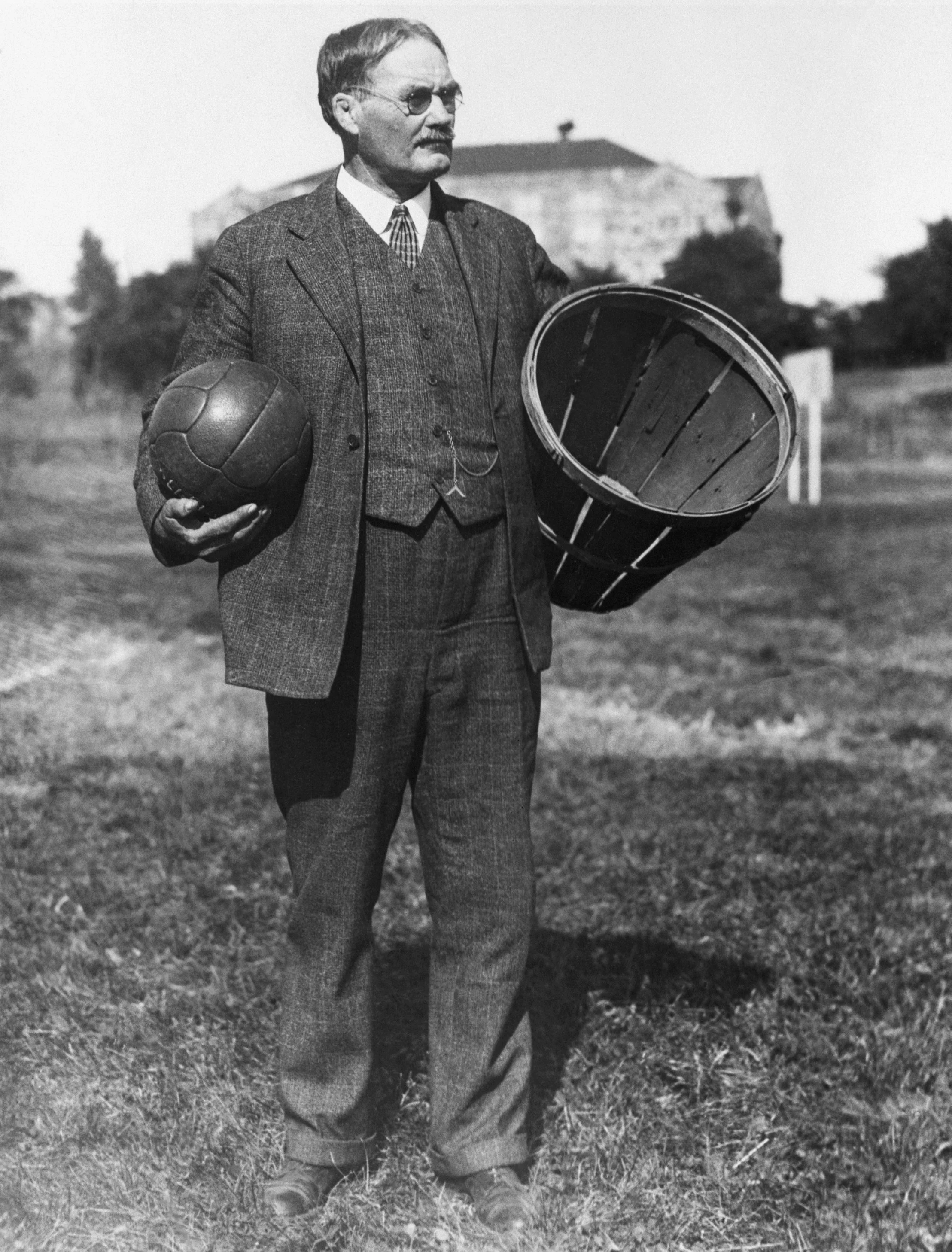
Drawing on his childhood memories of a game called “duck on a rock,” where accuracy and skill mattered more than brute force, Naismith envisioned a game in which players would throw a ball into a goal raised above their heads. He fastened two peach baskets to opposite balconies in the gym and wrote down 13 rules for the new sport. On January 20, 1892, the first official basketball game was played, with two teams of nine students.
While it may have looked like just another sport, Naismith’s purpose for basketball ran deeper.
Religious and Moral Foundations
As both a teacher and a devoted Christian, Naismith believed strongly in the YMCA’s mission to unite the mind, body, and spirit. He saw sports not only as physical activity but as a way to cultivate moral character and fellowship.

Basketball was created to promote teamwork, discipline, and cooperation — values he felt aligned with Christian principles. Unlike rougher sports of the time, basketball encouraged passing, sharing, and collective effort. The absence of tackling and the focus on skill over brute force were intentional choices. Naismith wanted a game where aggression was controlled, sportsmanship was valued, and every player had a role to contribute.
He later explained that the game was designed to direct youthful energy into healthy competition, while at the same time keeping players away from destructive behaviors. For Naismith, basketball was a tool for teaching integrity, humility, and respect for others.
Building Fellowship Through Sport
In the early years, basketball was played primarily in YMCA facilities. These institutions were designed not just as gyms but as community centers that fostered spiritual growth and fellowship. Naismith envisioned basketball as a way to bring people together in a safe, positive environment.
The sport was especially powerful in building relationships among young men, who could bond through practices, games, and shared experiences. The teamwork required in basketball mirrored the fellowship of the church community — individuals working together for a common goal, each one valued and necessary.
This emphasis on fellowship also made basketball an inclusive sport. Unlike some other athletic activities that required large fields, expensive equipment, or specialized training, basketball could be played in almost any gym with just a ball and two goals. This accessibility made it easy to invite more young people into the YMCA, where they could not only play but also participate in Bible studies, worship, and community events.
The Spread of the Game
Within a few years, basketball spread rapidly through the YMCA network across the United States and into other countries. Missionaries, teachers, and athletes carried the game abroad, introducing it as a wholesome activity that aligned with the YMCA’s religious mission. By the early 1900s, basketball was being played in schools, churches, and communities around the world.
Even as the game grew beyond its religious roots, Naismith remained proud that it had been born out of a desire to unite body and spirit. In 1936, when basketball was included in the Olympic Games for the first time in Berlin, Naismith attended the event. He was honored not because basketball had become a global sport, but because he saw how it brought people of different backgrounds together — just as he had intended in its earliest days.
Naismith’s Lasting Legacy
Dr. James Naismith never sought fame or fortune from basketball. He saw himself first and foremost as a teacher and a minister. For him, the true success of the game was not in professional leagues or championships, but in the lives it touched and the values it instilled.
He once said, “Basketball really had its origin in the YMCA. It was developed to meet a need. Those boys simply would not play ‘Drop the Handkerchief.’” What he didn’t mention in jest was that the need was greater than just physical exercise — it was about building young men of character, strengthening their faith, and fostering fellowship.
Conclusion
Basketball today is often viewed through the lens of competition and entertainment, but its roots tell a different story. When Dr. James Naismith created the game, he designed it as a tool for spiritual growth, fellowship, and moral development. In its early years, basketball thrived within the YMCA community because it combined physical activity with values of teamwork, respect, and integrity.
Though the sport has grown far beyond its humble beginnings, Naismith’s vision still lives on in youth leagues, community programs, and school gyms everywhere. Basketball remains more than a game — it is a way to connect, to grow, and to bring people together in the spirit of fellowship that Dr. James Naismith imagined over a century ago.